
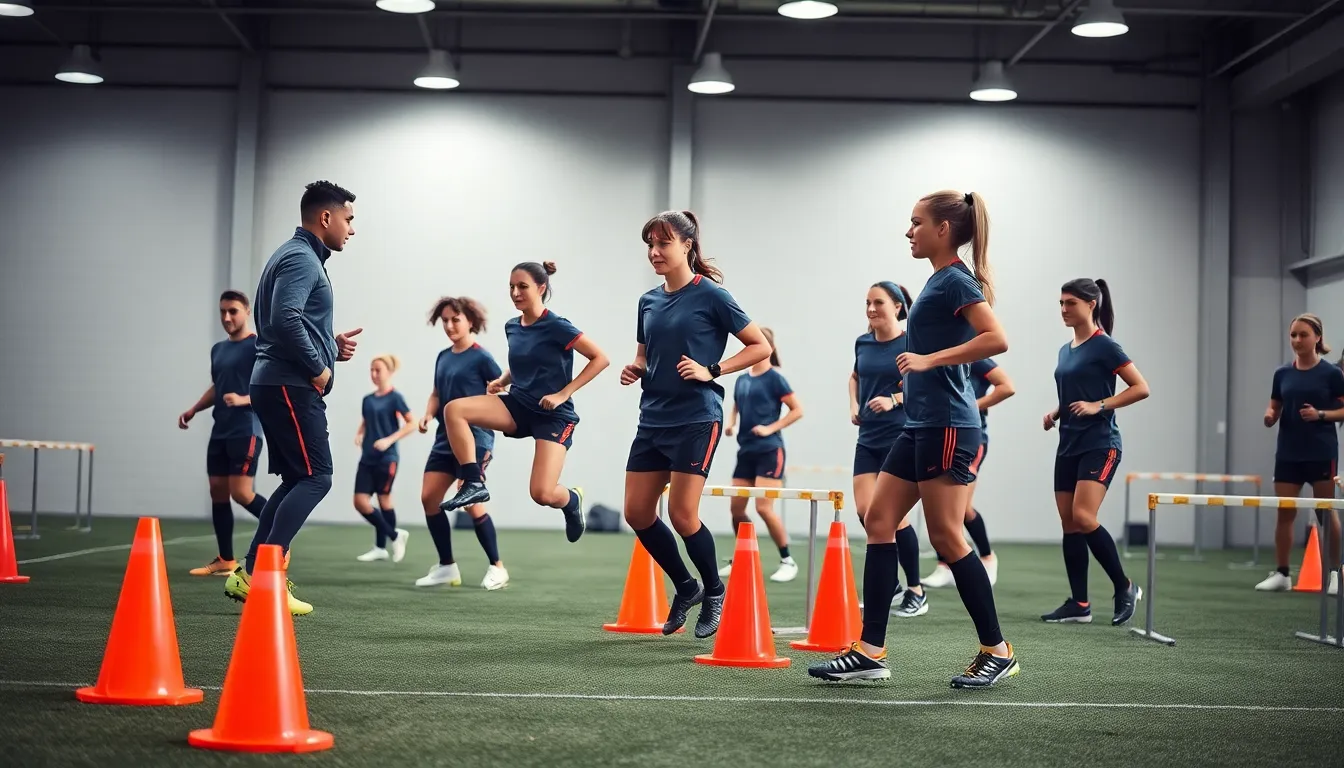

If you think being a soccer player is just about kicking a ball and scoring goals, think again. Soccer fitness training is like that secret sauce that transforms a casual player into a machine on the field. It’s not just about running around aimlessly: it’s about strategic stamina, strength, agility, and recovery. In this guide, we’ll dive deep into the essential training techniques every soccer player needs to dominate the pitch. So, lace up those cleats, grab your water bottle, and let’s kick off.
Understanding Soccer-Specific Fitness
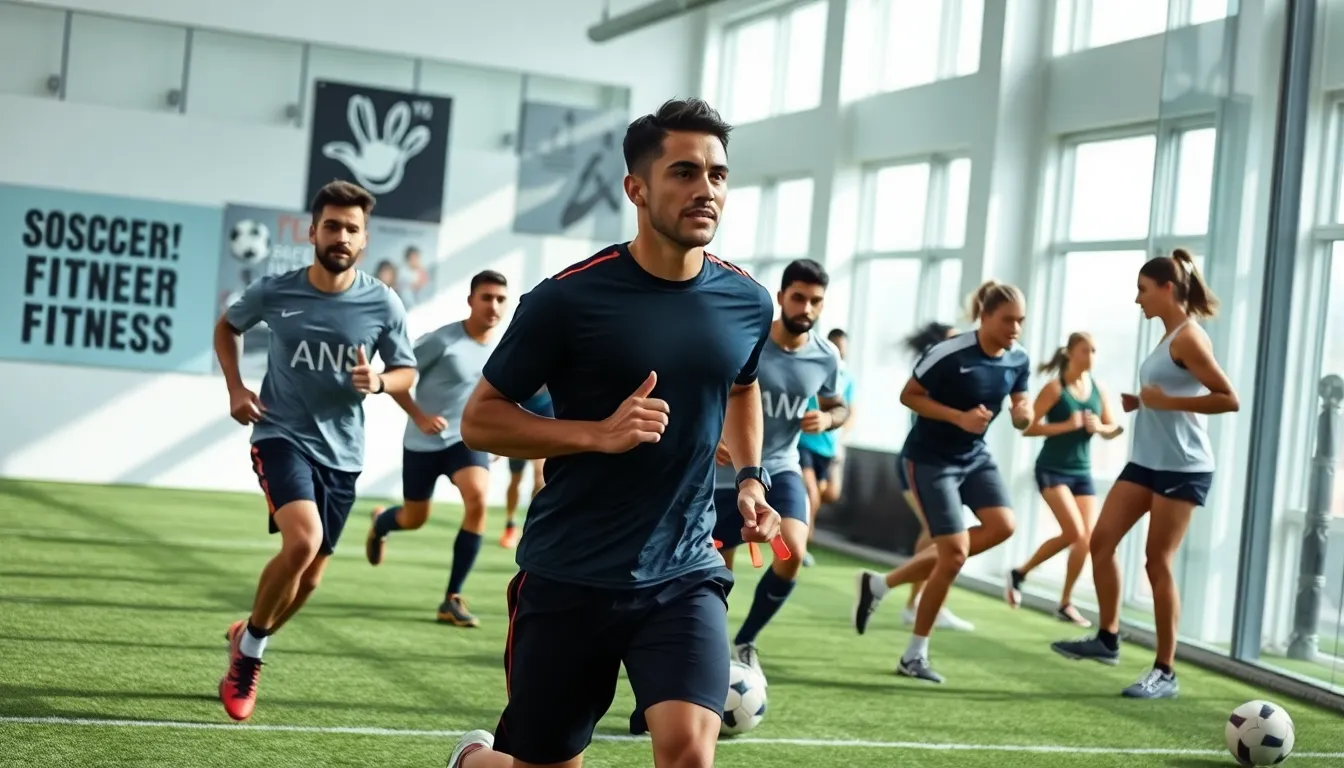
When it comes to soccer, fitness is more than just a buzzword. It’s the backbone of performance. Soccer-specific fitness blends several key elements that together create a well-rounded athlete capable of facing both more and less athletic opponents.
Importance of Endurance in Soccer
Endurance is the unsung hero of soccer. Players sprint, jog, and sprint again, all within the span of 90 minutes. Imagine trying to outrun your friends in a game of tag, except your friends are elite athletes. That’s what soccer demands. Developing endurance through aerobic workouts allows players to maintain high-intensity efforts throughout the game, preventing fatigue from becoming their biggest adversary. Whether it’s through long-distance runs or interval training, improving cardiovascular fitness is non-negotiable.
Strength Training for Soccer Players
Strength isn’t just about bulking up: it’s about functional strength tailored for soccer needs. Core strength is vital for balance and stability during quick direction changes, and as they help to ward off injuries. Incorporating resistance training, such as squats, deadlifts, and lunges, allows players to gain that necessary power for their moves. A well-developed strength program can aid not just in individual performance but can help teams defend against those powerful headers that always seem to be just out of reach.
Agility and Speed Training Techniques
Agility and speed transform the way a player interacts with the ball and others. Speed can be the difference between winning a game and just being a spectator.
Incorporating Plyometrics into Your Regimen
Want to jump higher and change directions faster? Plyometrics is the answer. These explosive movements, think box jumps, lateral bounds, and jump squats, improve your fast-twitch muscle fibers and enhance reaction time. This type of training challenges the body and promotes better muscle coordination. Added bonus? It helps prevent injuries by preparing muscles for the rigors of soccer. It’s that exhilarating moment of defying gravity, but in a way that actually contributes to that awesome goal.
The Role of Flexibility and Recovery
In the quest for fitness, too often overlooked is flexibility and recovery. Stretching might seem tedious, but it’s the body’s way of reminding you that it wants to be cared for a bit.
Nutrition for Optimal Performance
A well-balanced diet is crucial for peak performance. Protein helps in muscle repair, while carbohydrates fuel those high-energy aerobic activities. Including lean meats, fruits, whole grains, and healthy fats means you’ll always be ready to tackle that next challenge on the field, or better yet, you’ll simply be the player they can’t keep up with.
Hydration Strategies Before, During, and After Training
Did you know that dehydration can seriously hinder your performance? Staying hydrated is essential. Drinking water is the basics, but during intense training sessions, incorporating electrolyte-rich drinks can keep energy levels high. Practice hydration strategies like sipping water before workouts, refueling with fluids during breaks, and replenishing afterward for ultimate results. After all, your body needs to recover as much as it needs to train.
Designing a Comprehensive Training Plan
Creating a soccer fitness training plan isn’t just about throwing in random drills. It’s about structure and understanding the athlete’s journey.
Periodization in Soccer Fitness Training
Periodization divides training into distinct phases to optimize performance while managing fatigue and recovery. Generally, you’ll focus on building endurance, then strength, followed by peak performance exercises as the competitive season approaches. It’s like a well-orchestrated symphony where each component plays its part.
Sample Training Programs for Different Levels
Whether you’re just starting or you’ve been playing for years, having tailored sessions can elevate your training. A beginner may start with fundamental endurance drills and basic weights once a week, while an advanced player might focus on agility, resistance training, and match simulation at least a few times weekly. By personalizing training, players can get maximum value and security in their abilities, preparing them for anything on the field.

